
Media Buying Services: The Smart Way to Reach the Right Audience
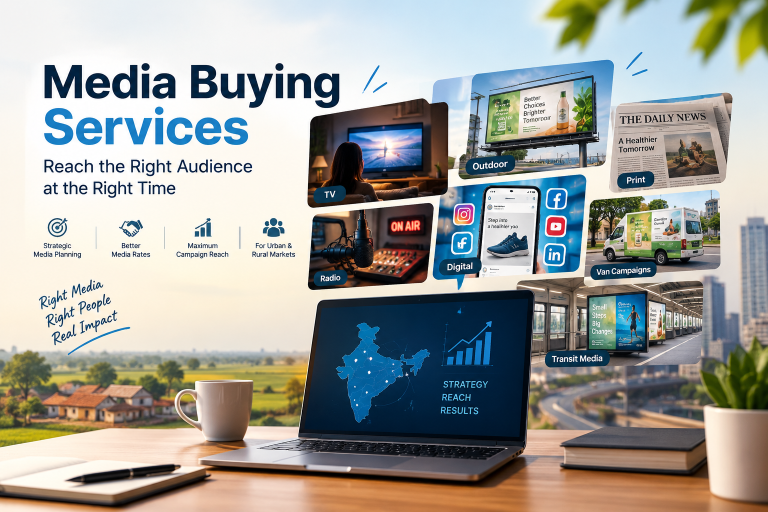
In today’s competitive market, having a great advertisement is only one part of a successful marketing campaign. Your advertisement also needs to appear in the right place, at the right time, and in front of the right audience.
This is where media buying services play an important role.
Media buying involves selecting, negotiating, purchasing, and managing advertising space across different media channels. These can include digital platforms, television, radio, newspapers, outdoor advertising, transit media, cinema, and other relevant channels.
For businesses looking to increase brand awareness, generate leads, launch products, or enter new markets, strategic media buying can help make advertising budgets more effective.
What Is Media Buying?
Media buying is the process of purchasing advertising space or time to promote a brand, product, service, or campaign.
A media buying agency evaluates different advertising opportunities based on factors such as:
Target audience
Location
Campaign objective
Advertising budget
Media reach
Audience behaviour
Campaign duration
Placement and visibility
Expected performance
Media buying can cover both traditional and digital advertising channels, allowing businesses to create campaigns that reach customers across multiple touchpoints.
What Are Media Buying Services?
Professional media buying services generally include:
Media research and selection
Audience targeting
Media planning and budget allocation
Advertising space and inventory selection
Rate and placement negotiation
Media booking
Campaign scheduling
Campaign execution coordination
Performance monitoring
Campaign optimisation
Reporting and analysis
The objective is simple: place your advertising budget where it has the greatest potential to reach your target customers effectively.
Benefits of Media Buying Services
1. Better Use of Your Advertising Budget
One of the biggest advantages of professional media buying is better budget management.
Instead of spending money across multiple channels without a clear strategy, media buyers compare different opportunities and allocate budgets according to campaign objectives and audience behaviour.
A structured media plan can reduce wasted advertising spend and make budget allocation more strategic.
2. Reach the Right Audience
Every business has a different target audience.
For example, a local retail business may want to reach people within a particular city or neighbourhood, while an FMCG brand may need broader regional or national exposure.
Media buying helps identify the channels where your potential customers are most likely to see your advertisements.
3. Access Multiple Advertising Channels
A strong campaign does not always depend on one advertising platform.
Depending on the campaign, media buying can include:
Google and search advertising
Social media advertising
YouTube and video advertising
Television
Radio
Newspapers
Magazines
Outdoor advertising
Billboards
Transit advertising
Cinema advertising
OTT and digital video
The best combination depends on the audience, campaign objective, location, and available budget.
4. Better Rates and Placements
Professional media buyers can compare available advertising inventory and negotiate commercial terms, placements, schedules, and packages with media owners.
This can help businesses make more informed decisions about where and how their advertising budget is spent.
5. Improve Brand Visibility
Consistent advertising across relevant channels can help businesses build stronger brand recognition.
For example, a brand launching in a new city could combine outdoor advertising with digital campaigns, local publications, radio, and social media to create repeated exposure.
6. Support Measurable Marketing Campaigns
Modern media buying can be connected with performance tracking and campaign reporting.
Depending on the channel, businesses can monitor metrics such as:
Reach
Impressions
Clicks
Leads
Enquiries
Conversions
Cost per lead
Engagement
Return on advertising spend
This information can help marketers identify what is working and make improvements during the campaign.
Where Does Media Buying Work?
Media buying can work across a wide range of industries and markets.
Urban Markets
In urban areas, businesses can use digital advertising, social media, Google Ads, outdoor advertising, metro advertising, transit media, television, radio, cinema, and print media.
It can be particularly useful for brands targeting specific cities, neighbourhoods, professionals, students, families, or consumer segments.
Rural Markets
Media buying is also valuable for reaching audiences in rural and semi-urban markets.
Depending on the campaign, brands can use:
Local newspapers
Regional radio
Outdoor advertising
Wall branding
Transit advertising
Local events
Retail-point branding
Mobile and digital campaigns
Regional-language media
Traditional media continues to play an important role in many tier-2 and tier-3 markets, while digital channels can complement these activities.
Regional Campaigns
Businesses expanding into a particular state or region can create a localised media mix based on language, audience behaviour, geography, and media consumption.
National Campaigns
For larger brands, media buying can coordinate campaigns across multiple cities, states, and advertising channels to create consistent brand visibility.
When Should You Use Media Buying Services?
Media buying can be particularly useful when your business is:
Launching a New Product
If you are introducing a new product or service, media buying can help generate awareness and introduce your brand to the target market.
Entering a New Market
Businesses expanding into a new city, state, or region can use targeted media buying to build awareness before and during market entry.
Running a Promotional Campaign
Festive offers, seasonal sales, discounts, new launches, and special promotions can benefit from coordinated media campaigns.
Building Brand Awareness
If your primary objective is to increase visibility and make more people familiar with your brand, a well-planned combination of media channels can help.
Generating Leads
Businesses in industries such as real estate, education, healthcare, financial services, automotive, and professional services can use media campaigns to generate enquiries and leads.
Expanding Your Customer Base
When a business wants to reach a larger audience, professional media buying can help identify additional channels and markets worth testing.
How Media Buying Supports a Marketing Campaign
Media buying works best when it is connected to the overall marketing strategy.
A typical campaign can follow these steps:
1. Understand the Campaign Goal
First, identify what you want to achieve—brand awareness, product launch, leads, sales, enquiries, or market expansion.
2. Identify the Target Audience
Understand who your customers are, where they live, what media they consume, and how they interact with brands.
3. Select the Right Media Mix
Choose the channels that best match your audience and objectives.
4. Allocate the Budget
Determine how much should be invested in each channel based on expected reach, performance, and campaign priorities.
5. Negotiate and Buy Media
Media placements, advertising space, schedules, and commercial terms are finalised.
6. Launch the Campaign
Creative materials are submitted and advertisements are released according to the approved schedule.
7. Monitor Performance
Campaign performance is tracked to understand reach, engagement, leads, conversions, or other relevant KPIs.
8. Optimise the Campaign
Budgets and placements can be adjusted based on campaign performance. Modern media buying increasingly uses cross-channel monitoring and budget reallocation to improve efficiency.
Media Buying vs. Media Planning
Although they are closely connected, media planning and media buying are not exactly the same.
Media planning focuses on deciding:
Who to target
Which channels to use
Where the campaign should run
When advertisements should appear
How the budget should be distributed
Media buying focuses on:
Finding available advertising inventory
Negotiating rates and placements
Purchasing advertising space or time
Booking campaigns
Coordinating execution
Monitoring delivery
In simple terms, media planning decides the strategy, while media buying turns that strategy into actual advertising placements.
Why Choose Professional Media Buying Services?
Managing multiple advertising channels can become complicated, especially when campaigns involve different locations, media owners, schedules, budgets, and creative requirements.
A professional media buying partner can help businesses:
Select appropriate media channels
Manage advertising budgets
Negotiate media placements
Coordinate campaign schedules
Reach specific audiences
Monitor campaign delivery
Measure campaign performance
Optimise advertising investments
This allows businesses to focus on their products and customers while the media buying team manages the advertising execution.
Conclusion
Media buying is an important part of modern marketing campaigns. Whether you are a startup, local business, established company, or large brand, choosing the right media channels can make a significant difference to your campaign’s reach and effectiveness.
From digital advertising and social media to television, radio, print, outdoor, transit, and cinema, media buying helps businesses connect their advertising budget with the audiences they want to reach.
The key is not simply to advertise everywhere. It is to advertise where your customers are, at the right time, with the right message and the right budget.
For businesses planning a product launch, promotional campaign, market expansion, brand awareness campaign, or lead-generation campaign, professional media buying can provide a more structured and strategic approach to advertising.