PREMIUM TRANSIT MEDIA
Turn Every Journey Into A Powerful Brand Experience.
Reach thousands of people every day with high-impact transit advertising across buses, autos, trains and metro networks. We move your brand where the audience is.
Transit Campaigns
0
+
Millions
Daily Impressions
Our Transit Media Solutions
Comprehensive OOH coverage across every tier of public transportation.

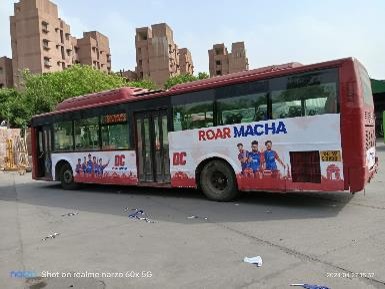
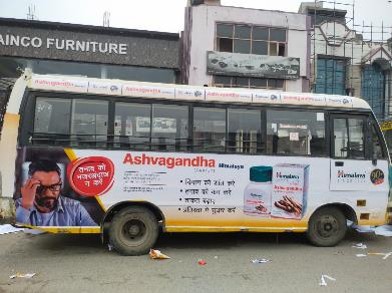
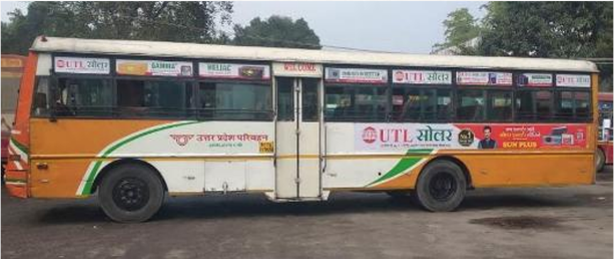
State Bus Branding
Inter-city and long-distance coverage reaching millions across state lines daily.
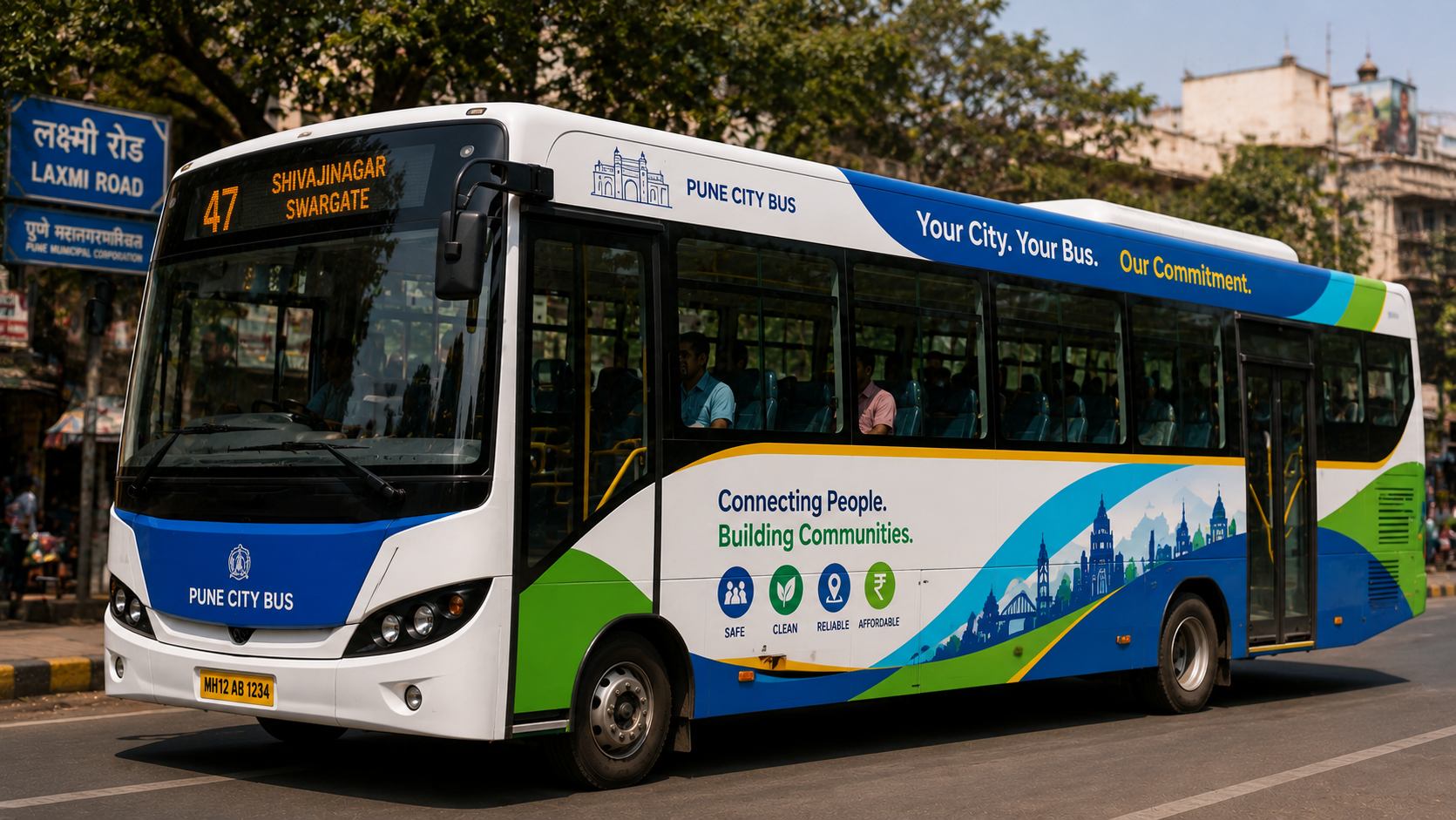
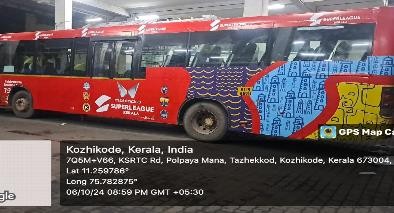
Local Bus Branding
Dominating city roads with high-frequency intra-city presence.
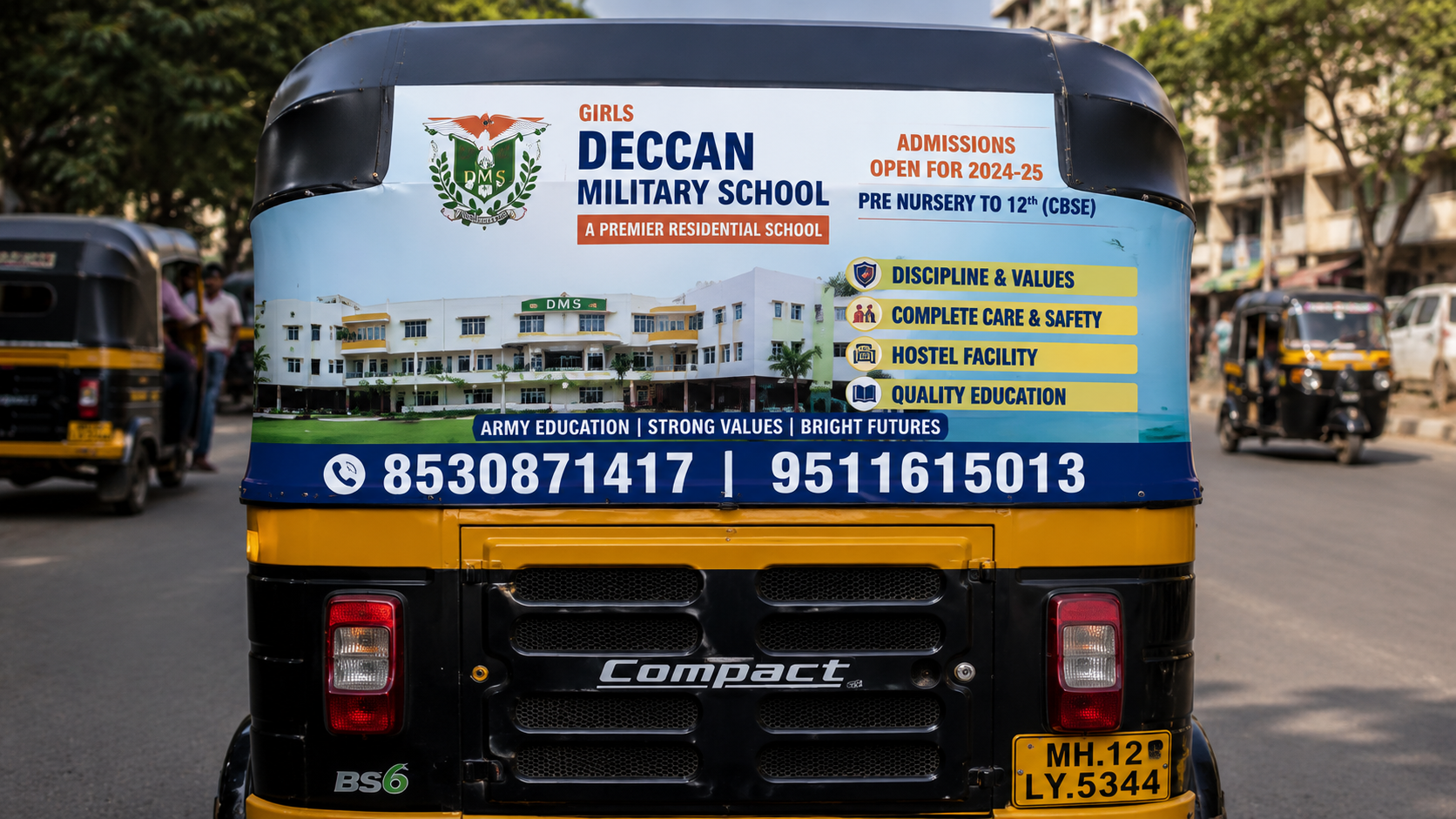
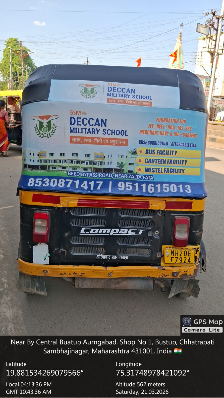
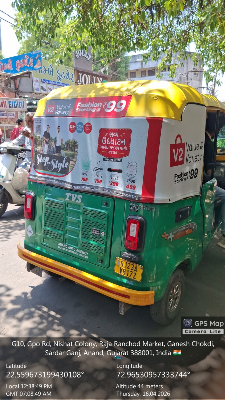
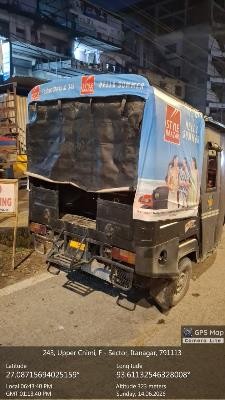
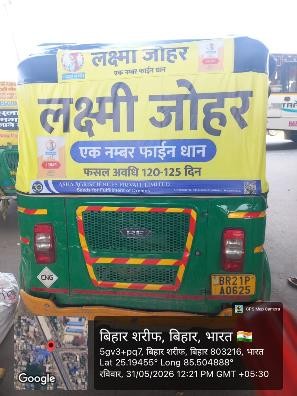
Auto Hood Branding
Last-mile penetration in the busiest lanes and rural hearts of India.

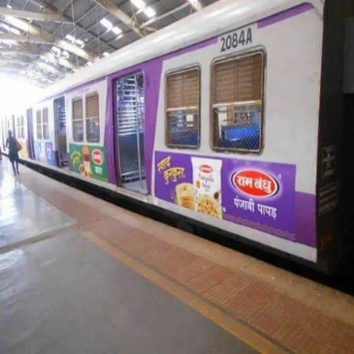
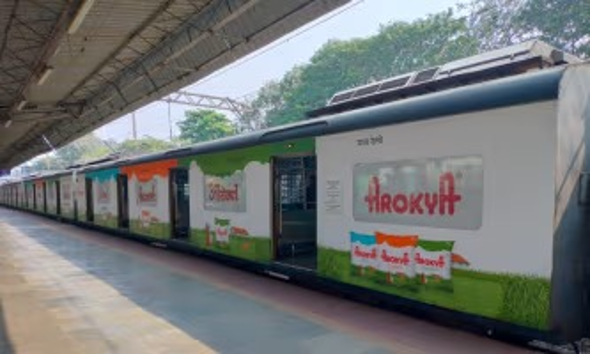
Train Branding
National visibility across major rail networks and bustling stations.

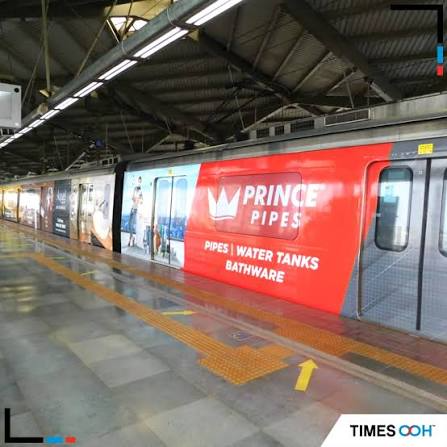
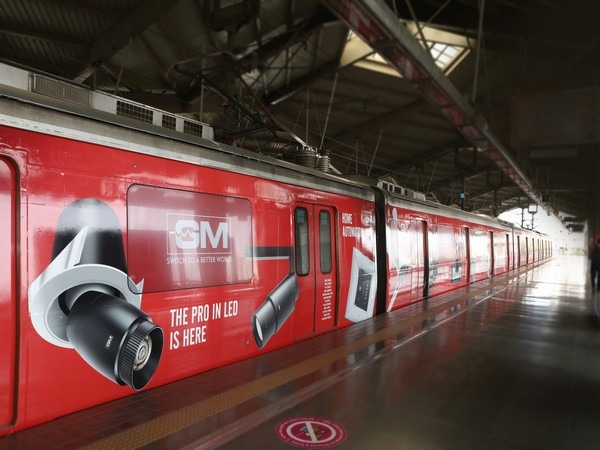
Metro Branding
Targeting the affluent urban professional in high-density metro routes.
Plan Your Transit Media Campaign
Our experts will help you design a campaign that maximizes ROI and visibility.
Customized Route Selection
Design & Production Support
Pan-India Network Access
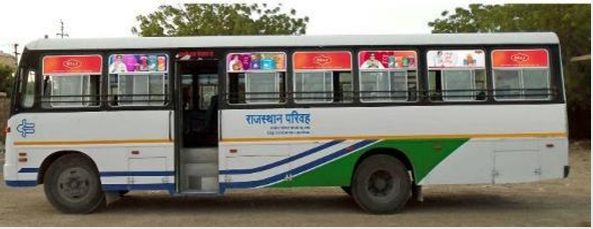
Why Strategic Media Buying Matters
Unmatched visibility that breaks through the noise of traditional advertising.
Mass Daily Reach
Capture the attention of millions of commuters across diverse demographics daily.
High Brand Recall
Continuous exposure during commute hours ensures top-of-mind brand awareness.
Continuous Visibility
Your brand is always moving, reaching areas where static billboards can't go.
City & Rural Coverage
Seamlessly transition your campaign from urban metro hubs to deep rural markets.
Cost-Effective
Lowest cost-per-impression compared to TV, Print, or Digital billboards.
Targeted Reach
Select specific routes and transit modes to match your campaign's target geography.
Our Execution Process
Precision at every turn, from concept to conversion.
01
02
03
04
05
06
07
08
Campaign Discussion
We align on your goals, budget, and target audience to craft a tailored strategy.
Media Selection
Choosing the right mix: Buses, Trains, Autos, or Metro for maximum impact.
Location Planning
Identifying high-traffic routes and strategic geographies across India.
Creative Adaptation
Optimizing your brand visuals for different transit vehicle formats.
Production
High-quality printing using premium materials that withstand environmental conditions.
Installation
Expert deployment by our ground teams across depots and stations.
Monitoring
Regular checks and maintenance of campaign visibility and asset health.
Reporting
Comprehensive proof-of-execution and reach analytics reports.
Frequently Asked Questions
Transit media advertising is a form of outdoor advertising that uses public and commercial transportation vehicles such as buses, autos, trains and metros to promote a brand, product or service. It helps businesses reach people while they are travelling or commuting.
Common types include bus advertising, auto-rickshaw branding, train advertising, metro advertising, cab branding and other vehicle branding formats. The right format depends on the campaign objective, location and target audience.
A brand's advertisement is displayed on selected vehicles or transit spaces for a specific campaign period. Vehicles travel through high-traffic routes, allowing the advertisement to reach commuters, pedestrians and other road users repeatedly.
Transit advertising offers high visibility, repeated exposure, wide geographical reach and strong brand recall. It can also help businesses connect with both urban and rural audiences depending on the selected routes.
The cost depends on factors such as the type of vehicle, number of vehicles, advertising format, location, route, campaign duration, printing and installation requirements. A customized quotation is usually provided based on the campaign requirements.
Bus advertising costs vary according to the city, route, number of buses, branding area and campaign duration. Full bus branding generally costs more than smaller advertising formats. Businesses can select a package according to their budget and campaign goals.
Auto-rickshaw advertising is generally a flexible outdoor advertising option. Pricing depends on the number of autos, branding format, location and campaign duration. Larger campaigns covering multiple vehicles and routes will have a different cost from smaller campaigns.
Yes. Transit advertising can be highly effective for brand awareness because advertisements remain visible to people throughout the vehicle's journey. Repeated exposure can improve brand recognition and recall, especially when campaigns use simple and memorable creative designs.
Transit media can be useful for FMCG brands, automobile companies, education institutes, real estate businesses, healthcare brands, retail stores, financial services, consumer products, startups and local businesses looking to increase visibility.
Yes. Campaigns can be planned around specific cities, areas, routes, vehicle types and audience groups. Selecting routes with high footfall, traffic or commuter movement can help brands reach their desired audience more effectively.
The ideal campaign duration depends on the objective and budget. Short campaigns can work well for product launches, events and seasonal promotions, while longer campaigns are generally better for building consistent brand awareness and recall.
Transit campaigns can be evaluated using factors such as number of vehicles or locations covered, routes selected, campaign duration, estimated audience reach and proof-of-execution reports. Monitoring the campaign helps businesses verify that the planned advertising was implemented correctly.
Keep Your Brand Moving Across India.